Overdentures – Fixed Dentures on Implants
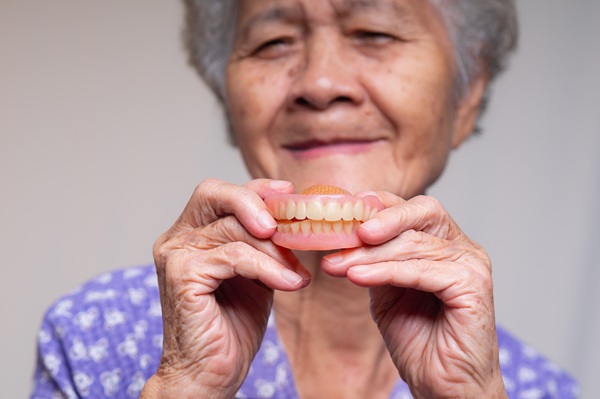
According to the American Dental Association, a denture should fit securely without adhesive. However, some patients find that a traditional denture slips and moves around. Implant-supported overdentures snap onto dental implants to create a more stable fit. Patients may not be familiar with these types of prostheses, as they are less common than regular dentures, so it is typical for patients to have questions if this solution has been recommended. For those needing to replace missing teeth, this type of denture is often a viable option.
Common questions about overdentures
Patients may wonder if an overdenture is right for their situation, and if so, how to get the process started.
Who is a candidate for an overdenture?
For overdentures to work, the patient must have enough bone support in the jaw to hold an implant. The jawbone and gum tissue begin to shrink once teeth have been missing for a long time. Eventually, the patient may not have enough of a bony ridge left for implant placement. In this situation, a bone graft may be necessary.
If the patient's teeth have been recently extracted, there may be enough bone left for immediate implant placement. A dental X-ray can help the doctor determine if the jawbone is healthy enough to support an implant.
How long does the process take?
To create overdentures, the doctor has to first place the implants. After the implant surgery, a patient usually has to wait about six to eight months for the area to heal. This allows the implants to integrate with the jawbone, making them more stable. Once the implants are secure, the doctor takes impressions for a denture that will snap onto these restorations.
While waiting for the surgery sites to heal, the patient often wears a temporary denture that does not hook onto the implants. This allows ample healing time, while the patient does not have to go without teeth for months.
What are the care requirements for an overdenture?
To maintain healthy implants and gums, there are a few requirements for caring for the overdentures. The patient should remove the prostheses at night. This allows the oral tissues to be aired out. If a patient wears a denture all the time, the risk of an oral fungal infection increases.
Denture-wearers may believe that routine dental visits are no longer necessary if they no longer have teeth. However, a dentist should be checking the fit of overdentures periodically. The dentist should also periodically take X-rays of each implant to make sure it is securely anchored in the bone.
Conclusion
A healthy, attractive smile is something that most people want to have. For those who are missing most or all teeth, this is still possible to obtain. Restorations such as overdentures can transform a patient's whole smile. If you are considering this procedure, set up a consultation today and learn what steps can be taken to get a smile to enjoy for years.
Request an appointment here: https://stamford.premieroralsurgeryct.com or call Premier Oral Surgery & Implantology Center at (203) 347-4046 for an appointment in our Stamford office.
Check out what others are saying about our services on Yelp: Overdentures in Stamford, CT.
Related Posts
Maxillofacial surgery is a specialized field focused on correcting issues related to the jaw, face, and mouth. It is often recommended for individuals who experience difficulties with jaw alignment. These issues can impact both function and appearance. A maxillofacial surgeon can significantly improve a person's ability to speak, chew, and breathe while also improving the…
Dental implants represent a durable and aesthetically pleasing solution for replacing missing teeth. Understanding the proper care for dental implants remains essential to ensure longevity and optimal function. Adhering to recommended practices significantly reduces the risk of complications, preserves oral health, and maintains the attractive appearance and comfort associated with implants. By implementing consistent maintenance…
Do you need oral surgery soon? Read on to learn more about how to choose an oral surgeon. When seeking specialized treatments, navigating the complex healthcare system can feel overwhelming. Choosing to undergo oral surgery can have far-reaching effects on one's general health and quality of life. This article highlights some of the most important…
Oral cancer, or mouth cancer, is a common but serious health condition. Oral surgeons play a crucial role in treating this disease. Not only can they test and diagnose the cancer, but they can also offer treatment and reconstructive surgery as needed.As its name suggests, oral cancer may affect the mouth and oropharynx, comprising parts…