Reasons You May Be Referred to an Oral Surgeon
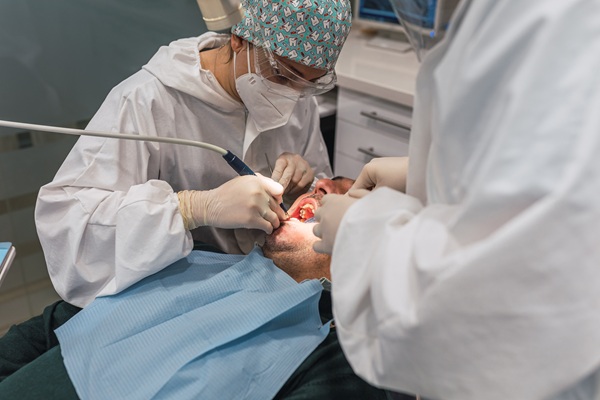
A regular dentist can refer you to an oral surgeon if you need more dental care. This type of surgeon can perform procedures that can improve the face, mouth, or neck. Understanding the reasons for a referral to this provider can help you prepare for your procedure. Here are the reasons your dentist will refer you to an oral surgeon.
Dental implant surgery
Placing dental implants need more training and experience. An oral surgeon has the qualifications to perform this procedure. Dental implant surgery often needs sedation. This dental care provider can administer it before the procedure. Using 3D technology in catching dental images can map out the patient’s mouth. It provides predictable and efficient results.
Wisdom tooth removal
Third molars or wisdom often erupt after the rest of the teeth have already emerged. A dentist will not remove these teeth if they are developing normally, above the gumline. Referring the patient to an oral surgeon means the wisdom teeth are not developing well. Full or partial impaction of the third molars can be painful. The surgeon will be able to perform the wisdom tooth removal and relieve the discomfort.
Bone grafting surgery
Specific patients do not have enough jawbone density to support dental implants. The oral surgeon will assess the patient’s jawbone and suggest the right type of grafting procedure. The dental care professional will suggest this surgery after significant jawbone loss or trauma. This type of repair will allow the installation of the right dental restoration. It can then bring back the patient’s smile and oral health.
Sedation and anesthesia
An oral surgery will need dental sedation. Some general dentists often use local anesthesia to numb the area during simple tooth extractions and dental fillings. An oral surgeon has the training in administering sedation and anesthesia. The patient can be sure that this dental care professional will administer these types of sedation while keeping the patient healthy.
Regular tooth extraction
A general dentist can perform a simple tooth extraction. However, the patient can choose to see an oral surgeon for this same procedure. This dental care provider has a set of tools and equipment that are targeted to provide more comfort to the patient. The surgeon can also administer the right type of dental sedation before performing the procedure.
Sinus lift
An oral surgeon may suggest this procedure to encourage bone growth in the upper jaw. This procedure involves working with the sinus. A sinus lift is important before implant surgery. It will thicken the upper jawbone. This will then provide stronger support for dental implants.
Jaw surgery
Research shows that jaw misalignment often results in jaw pain, bite issues, and speech difficulties. If braces cannot correct the issue, the oral surgeon will suggest jaw surgery. The surgeon will reposition the jaw. Jaw surgery can also treat chronic facial pain, tumors, and other issues.
The reasons for your referral to an oral surgeon can help you set an appointment right away
Your dentist will do everything to provide you with the highest level of dental care. But if you need more targeted care, you will receive a referral to an oral surgeon. This dental care provider will go deeper into the real issue and treat you with more detailed procedures. Working with your oral surgeon will enable you to achieve your dental health goals.
Request an appointment here: https://stamford.premieroralsurgeryct.com or call Premier Oral Surgery & Implantology Center at (203) 347-4046 for an appointment in our Stamford office.
Check out what others are saying about our dental services on Yelp: Oral Surgery in Stamford, CT.
Related Posts
Maxillofacial surgery is a specialized field focused on correcting issues related to the jaw, face, and mouth. It is often recommended for individuals who experience difficulties with jaw alignment. These issues can impact both function and appearance. A maxillofacial surgeon can significantly improve a person's ability to speak, chew, and breathe while also improving the…
Exposure & Bonding is a coordinated procedure between an oral surgeon and an orthodontist that guides an impacted tooth into its proper position. This collaborative approach protects oral health and streamlines orthodontic care by aligning surgical precision with orthodontics. Understanding this approach is key to successful treatment.Impacted teeth, most often upper canines, remain trapped in…
Maxillofacial surgery treats conditions affecting the jaw, face, and oral structures. These procedures not only improve function and relieve discomfort but also contribute to overall oral and facial health. Every patient’s needs are different, and oral surgeons provide specialized care to address each unique situation. If you are considering treatment, learning about some of the…
A dental implant is a tooth replacement option that has been growing in popularity — and for good reason. Its long-lasting durability, seamless visual appeal, and jawbone stimulation make it useful in ways that most alternatives, such as dentures, cannot match. However, not everyone is a good candidate for a tooth implant.To understand whether an…