Common Questions To Ask a Sedation Dentist
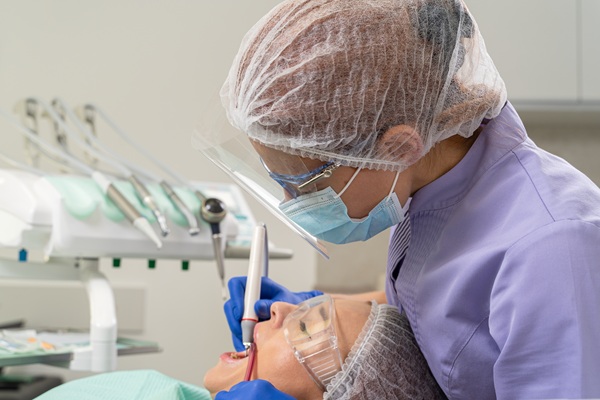
A sedation dentist helps patients feel calm, safe, and comfortable during procedures that might otherwise cause anxiety, especially in an oral surgery setting. When someone searches for a sedation dentist, it usually means comfort and safety sit at the top of the priority list. Asking the right questions before treatment builds trust and clarifies how sedation will support a smooth visit. Here are a few to consider before your consultation.
What types of sedation are available at this practice?
One of the first questions to ask a sedation dentist involves the types of sedation available. Some offices provide nitrous oxide (laughing gas) for mild relaxation, while others also offer oral conscious sedation, IV sedation, or deeper levels of anesthesia for more complex procedures. Each option supports a different level of comfort, and not every method fits every patient or treatment plan.
The oral surgeon explains which type of anesthesia works best for the procedure, the patient's medical history, and the patient's anxiety level. Understanding whether the patient remains awake but relaxed or sleeps through the visit helps with planning and peace of mind. Knowing the benefits and limits of each form of sedation also makes informed consent easier.
Is sedation safe?
Safety remains a central topic when selecting a sedation dentist. Patients benefit from asking how the team evaluates medical history, current medications, allergies, and previous experiences with anesthesia. This information guides the sedation dentist in choosing an appropriate sedative and dosage.
The oral surgery team may request lab work, medical clearance from a physician, or additional tests for patients with heart, lung, or metabolic conditions. Oxygen level, heart rate, and blood pressure monitors remain in place throughout the procedure. Regardless, hearing how these steps work in detail reassures patients that safety receives careful attention at every stage.
What happens before, during, and after sedation?
A sedation dentist outlines what the patient should do in the hours leading up to the appointment. This often includes fasting instructions, guidance about regular medications, and recommendations for comfortable clothing. Arranging for a responsible adult to drive home after deeper levels of sedation also remains important.
During the procedure, patients often feel deeply relaxed and may remember little, depending on the type of sedation. The team closely observes vital signs and comfort, adjusting as needed. After treatment, the oral surgeon explains how long grogginess may last, when eating and drinking can resume, and how to manage any discomfort at home, including prescription or over-the-counter (OTC) medication, ice packets, and staying home from school or work.
How will sedation affect recovery?
Many patients worry that sedation will make recovery harder or longer. A sedation dentist can explain how the chosen method influences the first few hours after the procedure. For example, nitrous oxide usually wears off quickly, whereas oral or IV sedation may take the rest of the day to fully wear off. Remember that sedation itself does not usually slow healing of the surgical area, but it can affect coordination, memory, and concentration for a short period. Clear instructions about rest, activities to avoid, and signs that require a call to the office support a safe recovery.
Consult a Stamford sedation dentist
Choosing a sedation dentist becomes easier when patients know which questions to ask about options, safety, expectations, recovery, and training. Do you have more questions about sedation or a particular procedure? Contact Premier Oral Surgery & Implantology Center to schedule a consultation.
Request an appointment here: https://stamford.premieroralsurgeryct.com or call Premier Oral Surgery & Implantology Center at (203) 347-4046 for an appointment in our Stamford office.
Check out what others are saying about our dental services on Yelp: Sedation Dentist in Stamford, CT.
Related Posts
Maxillofacial surgery is a specialized field focused on correcting issues related to the jaw, face, and mouth. It is often recommended for individuals who experience difficulties with jaw alignment. These issues can impact both function and appearance. A maxillofacial surgeon can significantly improve a person's ability to speak, chew, and breathe while also improving the…
According to the American Dental Association, a denture should fit securely without adhesive. However, some patients find that a traditional denture slips and moves around. Implant-supported overdentures snap onto dental implants to create a more stable fit. Patients may not be familiar with these types of prostheses, as they are less common than regular dentures,…
Dental implants represent a durable and aesthetically pleasing solution for replacing missing teeth. Understanding the proper care for dental implants remains essential to ensure longevity and optimal function. Adhering to recommended practices significantly reduces the risk of complications, preserves oral health, and maintains the attractive appearance and comfort associated with implants. By implementing consistent maintenance…
Do you need oral surgery soon? Read on to learn more about how to choose an oral surgeon. When seeking specialized treatments, navigating the complex healthcare system can feel overwhelming. Choosing to undergo oral surgery can have far-reaching effects on one's general health and quality of life. This article highlights some of the most important…