Collaborative Dental Care: What Is Exposure & Bonding?
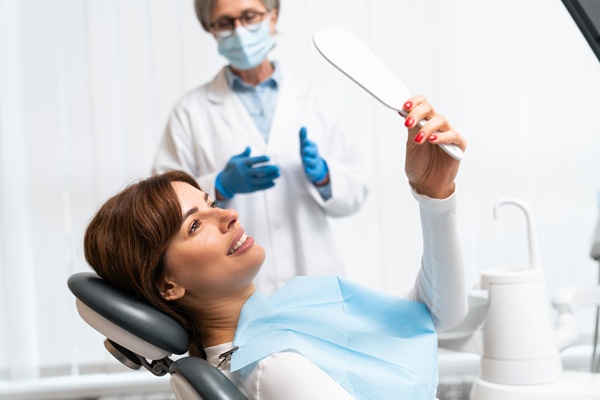
Exposure & Bonding is a coordinated procedure between an oral surgeon and an orthodontist that guides an impacted tooth into its proper position. This collaborative approach protects oral health and streamlines orthodontic care by aligning surgical precision with orthodontics. Understanding this approach is key to successful treatment.
Why exposure & bonding matters
Impacted teeth, most often upper canines, remain trapped in bone or soft tissue and cannot erupt on their own. Left unaddressed, impaction can crowd adjacent teeth, complicate bite function, and increase the risk of cysts or root resorption. Exposure & Bonding creates a controlled eruption pathway so the tooth joins the dental arch in a healthy, stable position, preserving symmetry and protecting neighboring roots.
How the exposure & bonding procedure works
Planning begins with digital imaging to map the tooth's exact location and orientation. On the day of treatment, the oral surgeon numbs the area with local anesthesia and, when appropriate, offers sedation for comfort. A small window of tissue and, if necessary, a minimal amount of bone open to the crown of the impacted tooth. A low-profile orthodontic attachment and delicate chain then bonds directly to the enamel. The oral surgeon will carefully manage the site to encourage comfortable healing and maintain access.
Within days to weeks, the orthodontist connects the chain to the braces or aligner-based anchorage system and applies gentle, measured traction. This steady force encourages the tooth to move along a planned path into its ideal position. Active traction continues until the tooth emerges and engages fully with the archwire, at which point standard orthodontic detailing refines alignment and bite.
Comfort, healing, and home care
Modern techniques keep discomfort low and healing efficient. Most patients return to normal routines quickly by following simple instructions:
- Adopt a soft food diet
- Keep the area clean with saline or gentle rinses
- Avoid manipulating the chain with the fingers or tongue
The care team reviews pain control options, oral hygiene modifications, and strategies to minimize irritation to cheeks or lips. Brief follow-up with the oral surgeon confirms healthy tissue response, while regular orthodontic visits ensure the traction sequence stays on schedule.
Benefits of a team approach
Exposure & Bonding succeed best when the surgeon and orthodontist coordinate closely. Shared imaging, clear force guidelines, and timely communication reduce surprises and shorten treatment timelines. The oral surgeon focuses on precise access and secure Bonding, the orthodontist manages biomechanics and anchorage control. Together, the team limits collateral movement, protects periodontal tissues, and improves predictability for both aesthetics and function.
Who is a candidate for exposure & Bonding?
Ideal candidates include adolescents with impacted canines identified on routine imaging and adults with long-lasting impactions that begin to affect alignment and gum health. Adequate space in the arch, healthy gums, and good oral hygiene support optimal outcomes. When space is limited, orthodontic expansion or selective tooth movement typically precedes exposure & Bonding so the impacted tooth has a clear destination.
Schedule a consultation
Exposure & Bonding offers a reliable solution for impacted teeth by combining surgical accuracy with orthodontic expertise. The result is a fuller, more harmonious smile, improved bite function, and long-term stability. If your orthodontist recommended exposure & Bonding, contact Premier Oral Surgery & Implantology Center to schedule a consultation.
Request an appointment here: https://stamford.premieroralsurgeryct.com or call Premier Oral Surgery & Implantology Center at (203) 347-4046 for an appointment in our Stamford office.
Check out what others are saying about our services on Yelp: Exposure And Bonding in Stamford, CT.
Related Posts
Maxillofacial surgery is a specialized field focused on correcting issues related to the jaw, face, and mouth. It is often recommended for individuals who experience difficulties with jaw alignment. These issues can impact both function and appearance. A maxillofacial surgeon can significantly improve a person's ability to speak, chew, and breathe while also improving the…
According to the American Dental Association, a denture should fit securely without adhesive. However, some patients find that a traditional denture slips and moves around. Implant-supported overdentures snap onto dental implants to create a more stable fit. Patients may not be familiar with these types of prostheses, as they are less common than regular dentures,…
Dental implants represent a durable and aesthetically pleasing solution for replacing missing teeth. Understanding the proper care for dental implants remains essential to ensure longevity and optimal function. Adhering to recommended practices significantly reduces the risk of complications, preserves oral health, and maintains the attractive appearance and comfort associated with implants. By implementing consistent maintenance…
Do you need oral surgery soon? Read on to learn more about how to choose an oral surgeon. When seeking specialized treatments, navigating the complex healthcare system can feel overwhelming. Choosing to undergo oral surgery can have far-reaching effects on one's general health and quality of life. This article highlights some of the most important…