Understanding Impacted Teeth: Causes and Treatment Options
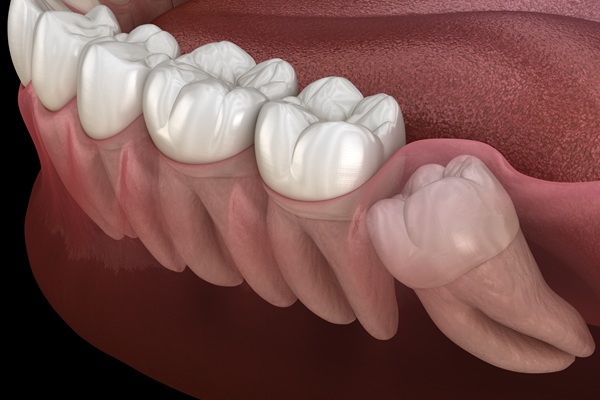
Impacted teeth can cause many problems in the mouth. Pain and infection are two of the most common setbacks of this condition. Knowing more about this issue can help you set an appointment with your dentist soon. Here are the causes and available treatments for impacted teeth.
The causes
Tooth impaction occurs when the jawbone does not have space for the tooth to develop. This can result from a previous dental straightening treatment or genetics. Wisdom teeth often erupt between 17 and 26 years of age. These teeth may come out behind the second molars without issue. However, many people experience crowded third molars that cannot develop and emerge well.
Sometimes, impacted teeth erupt partially. A little of their crown shows above the gumline. Other people have wisdom teeth that do not emerge from the gumline. These third molars develop underneath the gumline and push against the second molars. This is full impaction.
Impacted teeth may develop at a right angle to the neighboring teeth, much like lying down in the jawbone. These teeth may also grow at an angle, with the crown pointing to the back of the mouth. They can also grow straight down or up but remain encased in the jawbone. Any of these situations results in pain and swelling.
The treatments
There are people who do not experience symptoms of impacted teeth. Their third molars may have enough space to develop and then erupt like the other teeth. In other cases, the development of third molars comes with specific issues that can last for weeks or months. Here are some of the symptoms to watch out for:
- Difficulty opening the mouth
- Bleeding gums
- Swollen and red gums
- Pain while performing dental functions
- Foul breath
- Bitter taste in the mouth
Seeing the dentist right away can provide relief. The dentist will inspect the impacted teeth with a physical dental exam and diagnostic imaging. This will rule out other possible causes of the symptoms. The dentist will discuss the different types of treatment if the causes of the symptoms are impacted teeth.
Waiting is a primary route if the impacted teeth are not causing issues. This approach will involve seeing the dentist for regular checkups. Each visit will see if the teeth will cause problems. Oral surgery can relieve severe symptoms, such as pain, right away. The dentist will extract the impacted teeth. The patient will be able to go home after this procedure.
It will take about 45 minutes to an hour under local anesthesia. However, if the patient has dental fears, sedation may be necessary. Healing may take about seven to 10 days. Returning to normal activities is possible a few days after the procedure.
Eruption aids are for impacted canine teeth. These dental appliances may help the teeth erupt the right way. Removing the baby teeth may allow the impacted teeth to come out. Other aids can come in the form of brackets or braces.
The right solution to your impacted teeth can bring back your dental health
Impacted teeth can disrupt your dental health. These teeth can cause pain and infections. The dentist can help relieve them with the right treatment. Finding out the causes and treatments will enable you to make informed decisions. Working with your dentist will help you heal faster.
Request an appointment here: https://stamford.premieroralsurgeryct.com or call Premier Oral Surgery & Implantology Center at (203) 347-4046 for an appointment in our Stamford office.
Check out what others are saying about our services on Yelp: Impacted Teeth in Stamford, CT.
Related Posts
Maxillofacial surgery is a specialized field focused on correcting issues related to the jaw, face, and mouth. It is often recommended for individuals who experience difficulties with jaw alignment. These issues can impact both function and appearance. A maxillofacial surgeon can significantly improve a person's ability to speak, chew, and breathe while also improving the…
According to the American Dental Association, a denture should fit securely without adhesive. However, some patients find that a traditional denture slips and moves around. Implant-supported overdentures snap onto dental implants to create a more stable fit. Patients may not be familiar with these types of prostheses, as they are less common than regular dentures,…
Dental implants represent a durable and aesthetically pleasing solution for replacing missing teeth. Understanding the proper care for dental implants remains essential to ensure longevity and optimal function. Adhering to recommended practices significantly reduces the risk of complications, preserves oral health, and maintains the attractive appearance and comfort associated with implants. By implementing consistent maintenance…
Do you need oral surgery soon? Read on to learn more about how to choose an oral surgeon. When seeking specialized treatments, navigating the complex healthcare system can feel overwhelming. Choosing to undergo oral surgery can have far-reaching effects on one's general health and quality of life. This article highlights some of the most important…