Types of Maxillofacial Surgery
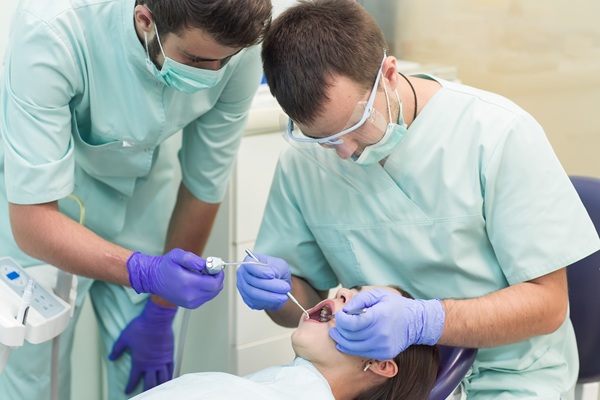
Maxillofacial surgery treats conditions affecting the jaw, face, and oral structures. These procedures not only improve function and relieve discomfort but also contribute to overall oral and facial health. Every patient’s needs are different, and oral surgeons provide specialized care to address each unique situation. If you are considering treatment, learning about some of the most common types of maxillofacial surgery can help you feel more prepared for your first visit.
Wisdom teeth extraction
A wisdom teeth extraction is a common type of maxillofacial surgery performed to remove problematic third molars (wisdom teeth). While some individuals experience no problems with their wisdom teeth, many develop impaction, overcrowding, infection, or pain. In the case of the latter, an oral surgeon assesses the position of the teeth using X-rays before determining the best approach for removal.
A simple extraction is often sufficient, but impacted or partially erupted teeth typically need surgical extraction. The sooner this is done, the better. Removing problematic wisdom teeth helps prevent infections, misalignment, and cyst formation, contributing to long-term oral health.
Dental implant surgery
Dental implants restore smile aesthetics and help preserve jawbone density. They are popular among patients for their ability to restore bite force, chewing ability, speech clarity, and general oral health.
Maxillofacial surgery is required to get implants. The entire process involves multiple stages. The first is the surgical procedure to place the titanium posts (dental implants) into the jawbone, where they will act as artificial tooth roots. The patient will then enter the healing stage, during which the implants fuse with the jawbone. The final stage involves securing the custom prosthetic teeth — such as permanent dentures, dental crowns, or bridges — onto the implants, restoring both function and appearance.
Dental bone grafting
Bone grafting helps restore a shrunken jawbone caused by missing teeth, trauma, or periodontal disease. This type of maxillofacial surgery is often necessary to support dental implants or maintain facial structure.
An oral surgeon places grafting material from the patient, a donor, or synthetic sources into the affected area. Over time, the graft integrates with existing bone to encourage natural regeneration. This process creates a strong foundation for future dental treatments, including implants, and helps prevent complications from bone loss.
Corrective jaw surgery
Corrective jaw surgery addresses misalignment issues affecting the upper or lower jaw. This type of maxillofacial surgery is often recommended for patients experiencing difficulty with chewing, speaking, or breathing due to improper jaw positioning. It can also correct congenital abnormalities, facial asymmetry, and conditions such as an overbite or underbite.
TMJ surgery
The temporomandibular joint (TMJ) enables jaw movements like chewing and speaking. When TMJ disorders cause pain, stiffness, or difficulty moving the jaw, maxillofacial surgery may be needed if other treatments fail. Options range from minimally invasive procedures, such as flushing the joint to reduce inflammation, to more advanced surgeries for repairing or replacing damaged structures. TMJ surgery can relieve pain, restore function, and improve overall comfort.
Consult an oral surgeon
There are many types of maxillofacial surgery. With each, an oral surgeon can provide the specialized care necessary for lasting results. If you have been advised to undergo a procedure, schedule a consultation with Premier Oral Surgery & Implantology Center today. We can help you take the next step toward improving your oral health.
Request an appointment here: https://stamford.premieroralsurgeryct.com or call Premier Oral Surgery & Implantology Center at (203) 347-4046 for an appointment in our Stamford office.
Check out what others are saying about our services on Yelp: Maxillofacial Surgery in Stamford, CT.
Related Posts
Maxillofacial surgery is a specialized field focused on correcting issues related to the jaw, face, and mouth. It is often recommended for individuals who experience difficulties with jaw alignment. These issues can impact both function and appearance. A maxillofacial surgeon can significantly improve a person's ability to speak, chew, and breathe while also improving the…
Exposure & Bonding is a coordinated procedure between an oral surgeon and an orthodontist that guides an impacted tooth into its proper position. This collaborative approach protects oral health and streamlines orthodontic care by aligning surgical precision with orthodontics. Understanding this approach is key to successful treatment.Impacted teeth, most often upper canines, remain trapped in…
A dental implant is a tooth replacement option that has been growing in popularity — and for good reason. Its long-lasting durability, seamless visual appeal, and jawbone stimulation make it useful in ways that most alternatives, such as dentures, cannot match. However, not everyone is a good candidate for a tooth implant.To understand whether an…
Seeing an implant specialist can give you a brand-new, natural-looking smile. Losing even one tooth can cause chaos in your mouth. That is why you must get dental implants — the gold standard of restorations. Here are some questions you can ask your implant specialist on consultation day.Dental implants are stable dental restorations that merge…