Single Tooth Replacement With Dental Implants: A Complete Guide
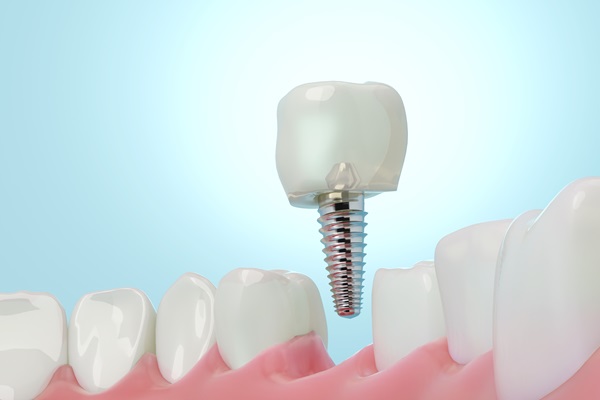
Dental implants are often the preferred choice for patients and dental providers for single-tooth replacement. Unlike dentures and bridges, implants provide a long-lasting tooth replacement solution that most closely mimics the function and appearance of a natural tooth. Understanding the importance of single-tooth replacement and the benefits implants can offer to the right candidate will help patients make an informed decision about whether to move forward with this popular option.
The importance of single-tooth replacement
Losing just one tooth can impact the entire smile's appearance, function, and health. Even if the space left by the missing tooth is not visible, it can still affect the smile's appearance. Eventually, the surrounding teeth will shift to fill the space, throwing off the smile's alignment. Additionally, the gap between the teeth can contribute to an increased risk of tooth decay and gum disease, among other issues.
Understanding dental implants
A dental implant is a screwlike metal post that can be used as a single-tooth replacement to protect against the negative impact of tooth loss. An oral surgeon implants the post into the jawbone, where it acts as a replacement tooth root. Once the implant has integrated into the jawbone, healing is completed. An oral surgeon will place an abutment on the post and complete the restoration with a dental crown.
Benefits of an implant for single-tooth replacement
For several reasons, patients and dental professionals prefer dental implants for single-tooth replacement. As mentioned above, this method of tooth replacement looks and feels more like a natural tooth than other options. Changing one's daily hygiene routine or worrying about the replacement tooth slipping out of place is unnecessary. Also, an implant is the only method that replaces the tooth root. Therefore, the jawbone continues to receive stimulation from the root, helping it stay strong and preventing the bone loss that still occurs with other replacement methods.
Who is a candidate?
Candidates for dental implants should be in good physical and oral health. Additionally, the patient must have enough jawbone to support the implant. Dental bone grafting can help patients meet this requirement. Implants have no upper age limit, but patients must be at least 18 years old. Patients should be nonsmokers and committed to good dental care before and after the surgery.
The dental implant process
Patients must understand that getting a dental implant can be a long process involving several procedures. After the surgery to place the dental implant, there is a three- to six-month healing process, during which the implant must integrate into the jawbone in a process known as osseointegration. Next is the surgery to place the abutment, which allows for the attachment of the dental crown. Sometimes, these last two steps are done using the same procedure. The process can take longer if the patient requires preparatory procedures such as bone grafting. However, despite the longer process, patients often report being pleased with the results.
Get single-tooth replacement that looks and feels natural
Even missing one tooth can negatively impact your smile. Dental implants offer a functional, durable, and aesthetically pleasing way to replace missing teeth and preserve your smile and oral health. Call today to learn more about your single-tooth replacement options from an oral surgeon.
Request an appointment here: https://stamford.premieroralsurgeryct.com or call Premier Oral Surgery & Implantology Center at (203) 347-4046 for an appointment in our Stamford office.
Check out what others are saying about our services on Yelp: Single Tooth Replacement in Stamford, CT.
Related Posts
Maxillofacial surgery is a specialized field focused on correcting issues related to the jaw, face, and mouth. It is often recommended for individuals who experience difficulties with jaw alignment. These issues can impact both function and appearance. A maxillofacial surgeon can significantly improve a person's ability to speak, chew, and breathe while also improving the…
According to the American Dental Association, a denture should fit securely without adhesive. However, some patients find that a traditional denture slips and moves around. Implant-supported overdentures snap onto dental implants to create a more stable fit. Patients may not be familiar with these types of prostheses, as they are less common than regular dentures,…
Dental implants represent a durable and aesthetically pleasing solution for replacing missing teeth. Understanding the proper care for dental implants remains essential to ensure longevity and optimal function. Adhering to recommended practices significantly reduces the risk of complications, preserves oral health, and maintains the attractive appearance and comfort associated with implants. By implementing consistent maintenance…
Do you need oral surgery soon? Read on to learn more about how to choose an oral surgeon. When seeking specialized treatments, navigating the complex healthcare system can feel overwhelming. Choosing to undergo oral surgery can have far-reaching effects on one's general health and quality of life. This article highlights some of the most important…